Author: seodubai_admin
-

Strategic Brand Differentiation
In highly competitive markets, businesses rarely struggle because of weak products alone. More often, the challenge lies in the inability to clearly differentiate from competitors. When brands appear similar in messaging, pricing, and positioning, customers tend to choose based on convenience or cost rather than value. Strategic brand differentiation is the process of defining what…
-

Data-Driven Campaigns
Successful digital marketing campaigns are no longer built on assumptions. Modern marketing decisions rely heavily on data analysis to understand audience behavior, campaign performance, and market trends. Data-driven campaigns allow businesses to move beyond guesswork. Instead of relying on intuition alone, marketers evaluate measurable signals such as click-through rates, engagement levels, conversion patterns, and audience…
-

Sustainable Growth Strategy
Many businesses pursue rapid growth through aggressive campaigns, heavy advertising, or short-term promotions. While these tactics can generate temporary spikes in revenue, they rarely produce lasting stability. Sustainable growth requires a marketing strategy built on long-term structure rather than short-term acceleration. A sustainable growth strategy begins with clear strategic foundations. Businesses must define their value…
-

Performance Marketing Systems
Sustainable digital growth rarely comes from isolated campaigns. While individual ads or promotions may generate short-term results, long-term performance requires structured marketing systems that continuously attract, convert, and retain customers. Performance marketing systems connect multiple digital components into a unified framework. Traffic acquisition channels such as paid advertising, organic search, and social media introduce new…
-

Strategic Market Focus
One of the most common mistakes businesses make in marketing is trying to appeal to everyone. While broad visibility may seem beneficial, unfocused marketing strategies often dilute messaging and weaken competitive positioning. Effective marketing strategy begins with clarity about where the business can create the greatest value. Strategic market focus requires identifying a specific segment…
-

Intent-Based Marketing
Digital marketing becomes significantly more effective when strategies are built around user intent rather than broad exposure. While traditional campaigns often focus on reaching as many people as possible, modern digital environments reward relevance and timing. Intent-based marketing focuses on understanding what the user is trying to accomplish at a specific moment. Some users are…
-
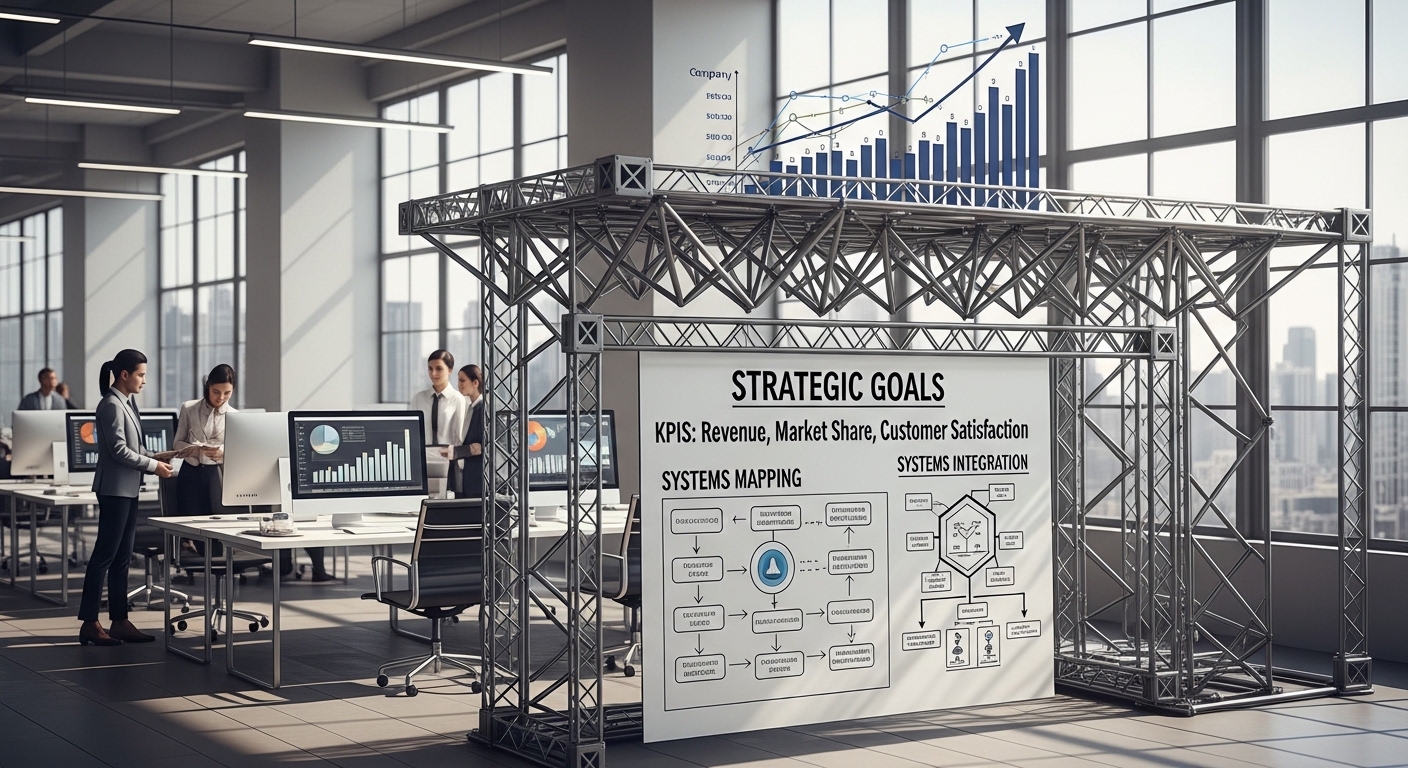
Sustainable Growth Architecture
Growth without structure is unstable. Rapid expansion can look impressive from the outside, but it often hides weak foundations underneath. Revenue spikes, new customers arrive, and performance dashboards show upward trends. Yet behind the momentum, systems may be disorganized, roles unclear, and processes inconsistent. When structure is missing, growth creates pressure instead of progress. Many…
-
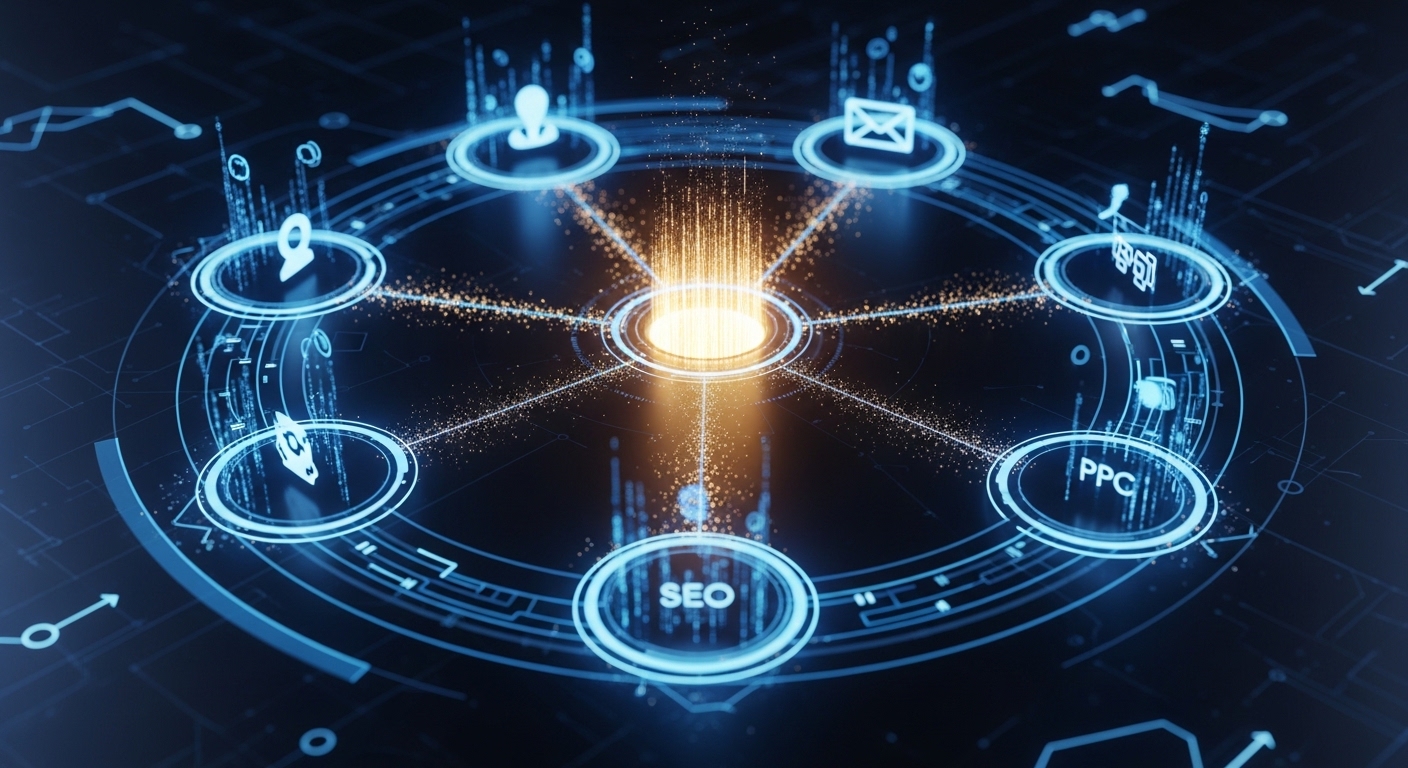
Multi-Channel Marketing Increases Stability
Relying on a single digital channel is a fragile strategy. What works today may weaken tomorrow. Algorithms change. Costs fluctuate. Reach declines. Platforms adjust rules without notice. What once delivered predictable performance can suddenly become unstable. When a business depends entirely on one source of traffic, performance becomes vulnerable. A minor algorithm update can reduce…
-
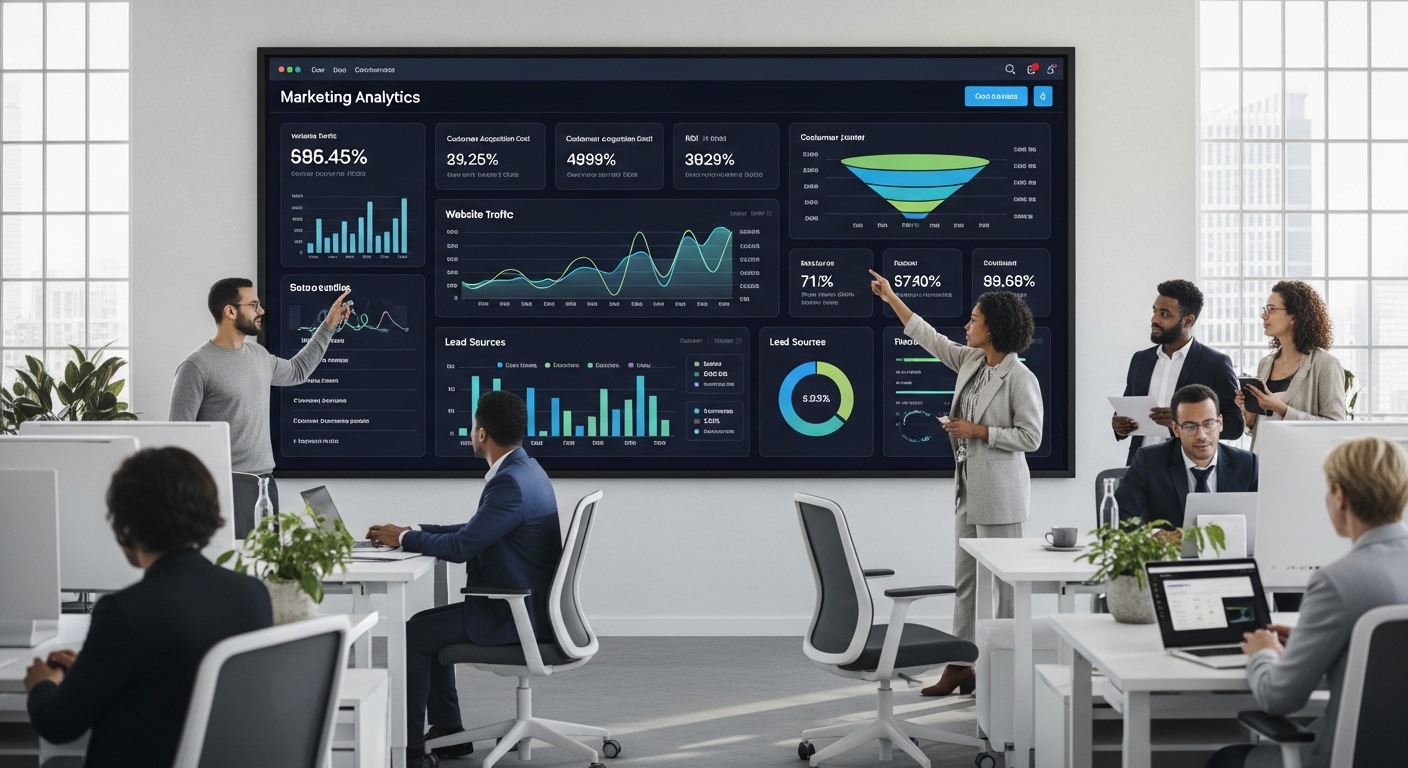
Data-Driven Decisions
Modern marketing strategy is no longer based on assumptions or intuition alone. It is guided by data. In an environment where consumer behavior shifts quickly and competition evolves constantly, decisions must be grounded in measurable insights rather than guesses. Experience still matters — but it must be validated by evidence. Analytics reveal patterns in behavior,…
-

User Experience Impacts Digital Performance
Digital marketing does not end at traffic acquisition. Generating clicks and impressions is only the first step. What truly determines performance is what happens after the user arrives. Traffic creates opportunity — but it does not guarantee results. If the user experience is weak, campaigns underperform regardless of budget size. You can drive thousands of…