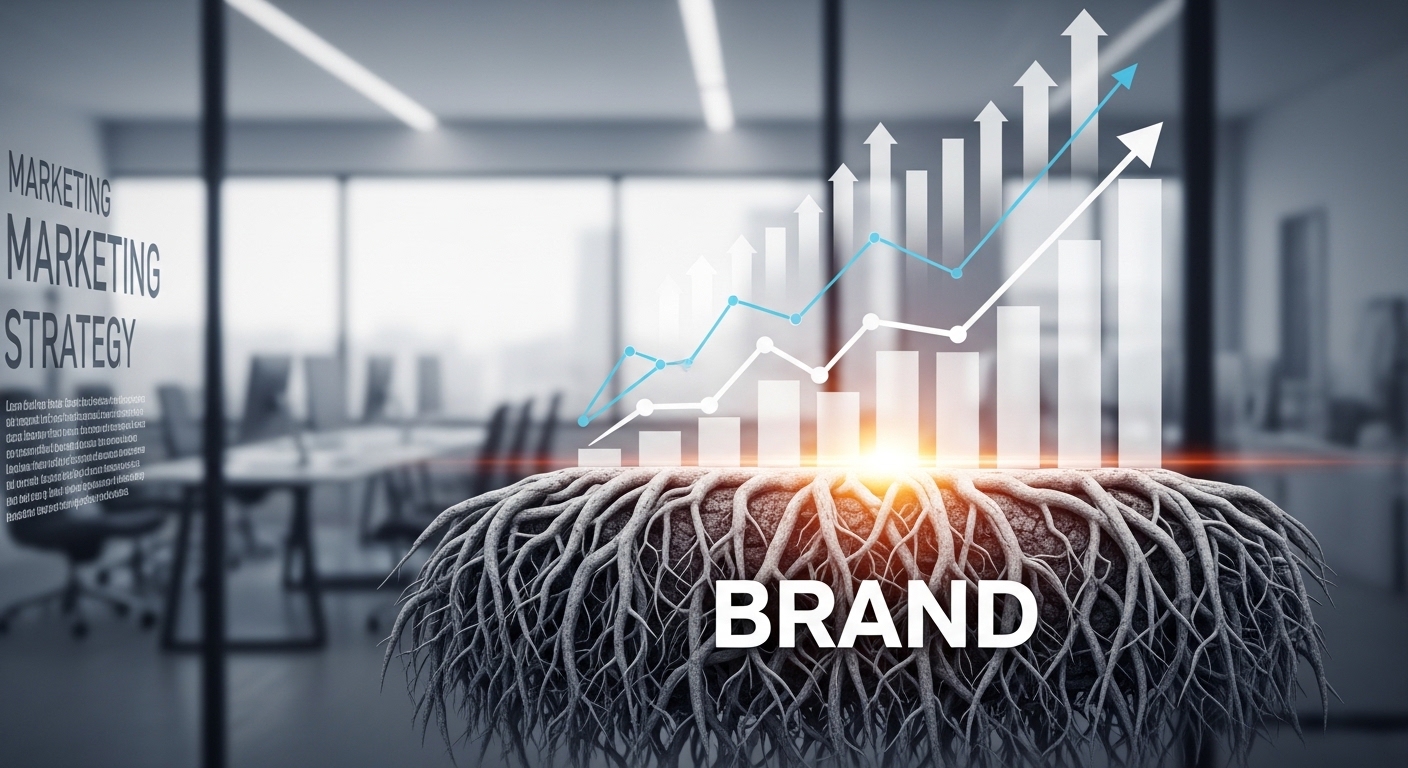
Short-term campaigns generate revenue. Long-term strategy builds brand equity. Both are essential — but they serve different purposes. One drives immediate results and cash flow. The other creates lasting strength and market positioning. Confusing the two often leads to imbalance.
Brand equity represents accumulated trust, recognition, and perceived value in the minds of customers. It is the reason people remember a brand, recommend it, and choose it even when alternatives are available. Strong brand equity allows businesses to charge premium prices, reduce acquisition costs, increase retention rates, and remain stable during competitive pressure. It lowers resistance before the sales conversation even begins.
Performance marketing focuses on measurable outcomes — clicks, leads, conversions, and sales. It fuels short-term revenue and provides valuable real-time data. It is precise, trackable, and scalable. But without consistent brand investment, performance efforts become increasingly expensive over time. The brand must constantly “buy” attention instead of earning it. Cost per acquisition rises because there is no underlying familiarity or preference supporting the conversion.
Marketing strategy should balance immediate performance with long-term brand building. Performance campaigns drive revenue today and validate demand. Brand initiatives — such as consistent positioning, storytelling, visual identity, tone of voice, and customer experience — protect and strengthen revenue tomorrow. One activates existing demand. The other creates future demand.
Ignoring brand equity often leads to dependency on discounts, aggressive promotions, and continuous tactical pressure to maintain sales. When perceived value is weak, price becomes the main differentiator — and competing on price erodes margins and stability.
Investing in brand strengthens resilience. It builds familiarity, authority, and emotional connection. Over time, customers begin to choose the brand not only for what it offers, but for what it represents.
Sustainable growth happens when performance and branding operate together — aligned, not isolated. When short-term execution supports long-term perception, growth becomes both profitable and durable.
Leave a Reply