Sustainable digital growth rarely comes from isolated campaigns. While individual ads or promotions may generate short-term results, long-term performance requires structured marketing systems that continuously attract, convert, and retain customers.
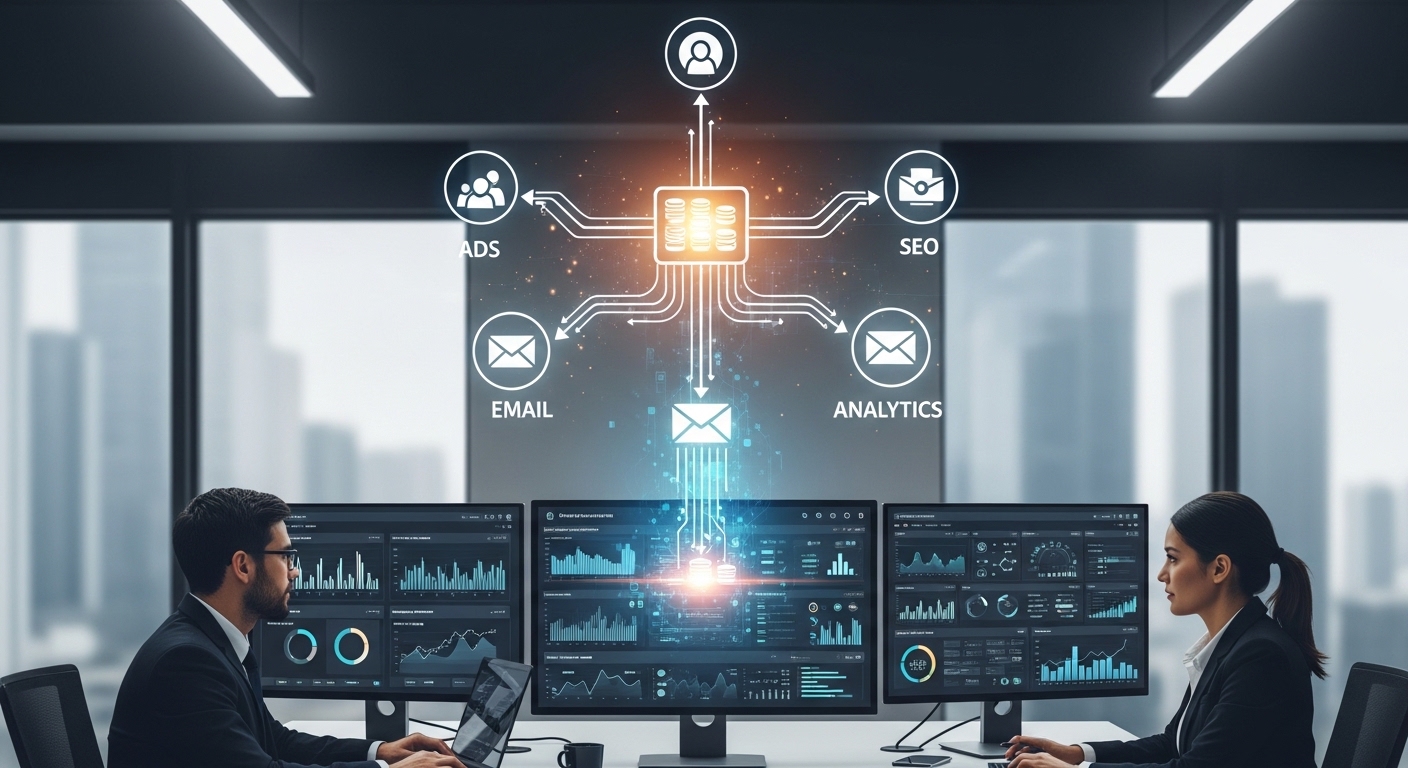
Performance marketing systems connect multiple digital components into a unified framework. Traffic acquisition channels such as paid advertising, organic search, and social media introduce new audiences to the brand. Optimized landing pages convert that attention into measurable actions. Follow-up mechanisms such as email marketing and retargeting maintain engagement after the initial interaction.
When these elements operate independently, performance becomes inconsistent. Traffic may increase, but conversion rates remain low. Leads may enter the funnel, but without structured nurturing they fail to progress toward a decision.
A performance-driven approach focuses on alignment between acquisition, conversion, and retention stages. Data analysis plays a critical role in identifying where friction appears in the process. By continuously testing and optimizing each stage, marketers transform campaigns into repeatable growth systems.
Another key advantage of structured marketing systems is scalability. When the framework is stable, increasing traffic becomes less risky because the conversion process is already optimized. Businesses can invest confidently in expansion, knowing that their marketing infrastructure can support higher demand.
Digital marketing is no longer about launching campaigns. It is about building systems that produce consistent results over time.
Leave a Reply